9 Great Historical Events for Learning French

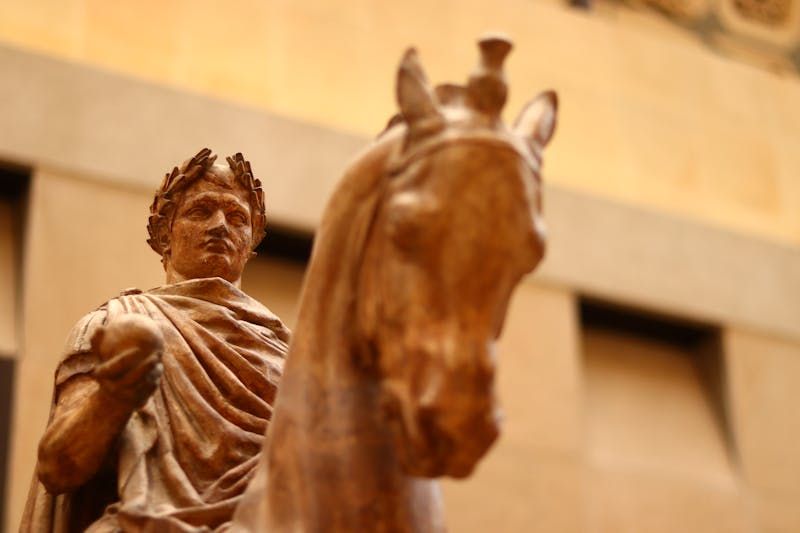
As you’ve likely realized by now in your French learning journey, there are a lot of things that make up French and France that are different from your home country. No matter how many languages you learn or places you live, this will always be true. Every country is unique, and part of learning a language is learning the history of the countries that speak it.
Now, not everyone enjoys history, even those who are learning a language. However, part of learning French is immersing yourself in French culture and that includes history. That said, the Francophone world is huge and there are a lot of countries that make up the Francophone identity. It’s impossible to cover every major historical event in these countries, but that doesn’t mean you shouldn’t learn a little bit about them.
Key Take-Aways & Summary
Learning a language requires learning a history and when it comes to learning French, that means looking at the history of many countries. From Charlemagne in France to the Four Communes in Senegal, French history is global. Knowing the history of the Francophone world will not only help with your understanding of the language, but also make you feel more familiar with the culture.
While learning French will involve grammar and vocab lists, it should also involve a deep dive into the culture, including its history.

Why Should You Learn French History as a French Learner?
Knowing a foreign language isn’t just about knowing words. It includes knowing the language’s past and that usually involves the history of one or more countries. Some of this history can be uncovered through regional and local art. Some of it is better learned through stories or studying.
When you learn Francophone history, you learn more about what makes Francophone people Francophone. Learning history will also expose you to the many different parts of the French-speaking world. Not all French and Francophone history takes place in the country of France itself, and it’s important to remember this as you dive deeper into your French learning journey.
The Francophone world is vast and there are so many different French-speaking regions that you should keep in mind. From Africa to Quebec to South America, French is spoken all over the world and French history follows it.
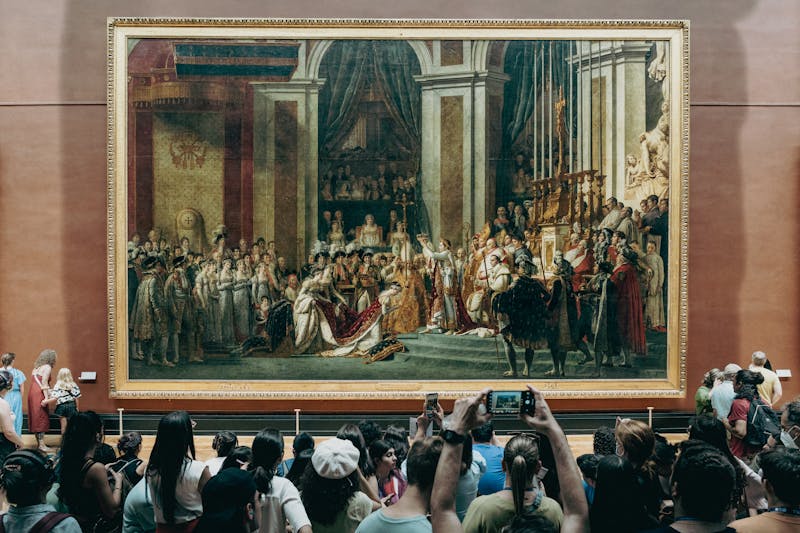
4 Historical Events & Figures in France You Should Know
When you think of French history, you most likely think of France. While France isn’t the only player in French history, it is one of the most thought of, so we’ll start with it.
If you want a more detailed and complete list of history in France, check out Wikipedia’s timeline of French history where you’ll see more events and a brief description of them. If one catches your attention, click on it to learn more! There’s no limit to how much history you should learn when it comes to learning French.
#1. Charlemagne
Charlemagne ruled from 800 to 814 and called himself the King of the Franks and the Lombards. He ruled over much of what is now the country of France and beyond. During his reign, he acquired many new territories, including what is now the region of Alsace in France, but he did not require his new subjects to learn French. He allowed each region to keep its own local laws as well, and encouraged learning across his empire. While he ruled, he invited scholars to his court and set up an education system that would later be used in what is now the country of England to expand education and learning.
#2. The Norman Conquest of 1066
After the English King Edward the Confessor died childless, there was a question surrounding who the rightful heir was. This led Duke William of Normandy (also known as William the Conqueror) to declare that he had a right to the throne on his mother’s side. He launched the Norman Conquest and was crowned king on Christmas Day in 1066.

#3. The Hundred Years’ Year
The Hundred Years’ War is similar to how William the Conqueror claimed a right to the throne from his mother’s side. This time, however, the English King Edward III laid claim to the French throne. When the French Assembly did not choose him as their new king, it led to a series of battles and attacks that would later be summed up by historians as the Hundred Years’ War.
During this time, the English lost the region of Normandy – which had been English since the Norman Conquest of 1066 – to France. It was also during this time that Joan of Arc (or Jeanne d’Arc in French) would rally the French population and lead them to battle against the English.
#4. French Revolution
The French Revolution changed France from a monarchy to a Republic. It occurred from 1789 to 1802 and was triggered by a financial crisis after helping the Americans win the fight against England. Napoleon Bonaparte rose to fame during the Revolution and after its victory, he was crowned Emperor of France. The French Revolution impacted the entire continent of Europe and led other countries to revolt.

5 Global French History Events You Should Know
As mentioned earlier, French history didn’t only happen in France. The French-speaking world is much larger than a single country, and it’s important to keep in mind that there are many other countries that have history as French nations as well.
Again, not every historical event will be listed, but these are a few that you should know as a French language learner.
#1. New France
In the 1600s, during the colonization of North America, French settlers landed in “New France”. The region is now known as Quebec, but at the time of arrival and colonization, it was known as New France.
#2. Seven Years’ War
Also known as the French and Indian War, the Seven Years’ War was the first war involving both Europe and North America. It was fought between the French and the British, and ended with the Treaty of Paris in 1763. The French gave up Quebec to the British and although France retreated from the region, many French speakers remained. This led to the beginning of Quebec’s bicultural identity as both French and English.
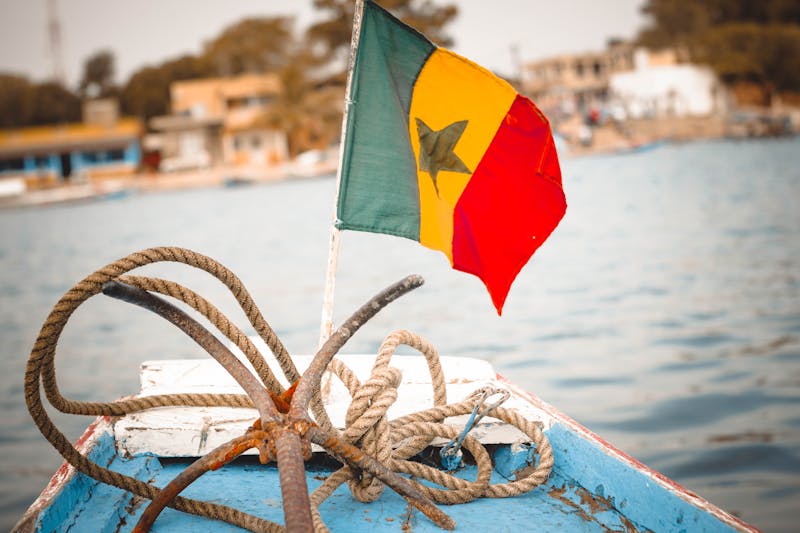
#3. The Four Communes of Senegal
France colonized much of Africa and did not start granting independence until the 1960s, but the Four Communes of Senegal are an important exception. In 1848, France granted Africans born in one of four Senegalese cities the right to acquire French citizenship. Social and legal barriers made it extremely difficult for people to prove they had been born in one of these cities, but those who could were allowed to vote and elect representatives into the French Parliament. These four cities were known as the Four Communes and were the first steps towards African independence.
#4. Free France
During World War II, the French Resistance ran a lot of its operations out of northern Africa. This led to many African colonies experiencing a form of independence as France was under nazi occupation. The Army of Africa supported the Free France resistance and formed the French Liberation Army. With this joint army, Free France succeeded in securing the liberation of France.
After World War II ended, many African colonies – particularly those who had supported and allowed Free France to operate within their borders – fought for independence. These nations declared that France’s liberation would not have been possible without them and France should therefore grant them independence in thanks. This led to a series of fights for independence throughout the 1960s when France would eventually grant the majority of its colonies independence.
#5. The Algerian War
The Algerian War was fought from 1954 to 1962. It consisted of guerilla warfare and was marked with many war crimes. France refused to grant Algeria independence until the United Nations stepped in and confirmed Algeria’s right to independence. Algeria’s granted independence only further inspired other African colonies to fight for their independence as well. The brutality of the war is still felt today as tensions remain between France and Algeria.
The Importance of Francophone History as a French Learner
Part of learning a language means staying curious. It’s important to be interested in what you study or you run the risk of losing motivation. Whether you’re a history buff or you’re only learning it so that you know the basics, reading or watching French history is a great way to improve your French and work towards fluency!