10 Surprising Cultural Differences Across Spanish-Speaking Countries

When people think about Spanish-speaking countries, it’s easy to imagine these similar countries that share one same culture around a shared language. However, Spanish connects over 20 countries across Europe, Latin America, and even one in Africa, and the day-to-day experiences, traditions, and social norms can differ dramatically across the board.
Understanding these cultural differences in Spanish-speaking countries is essential for both travelers and language learners who want to communicate naturally and respectfully. From meal times to greetings and coffee habits, these difference shape how people interact and live their daily lives.
In this article, we’ll explore 10 surprising ways culture varies across the Spanish-speaking world, which will give you practical insight and valuable cultural tips for learning Spanish or for your next big vacation!
Meal Times are Wildly Different
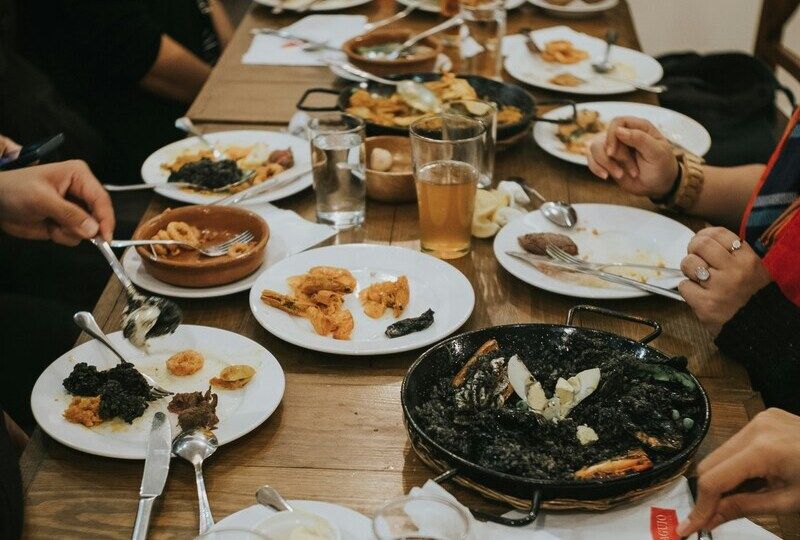
One of the first things Americans notice abroad is how different meal schedules can be. This is especially noticeable if you’re eating out! In the United States, dinner typically falls between 5:30 PM and 7:30 PM. In many Spanish-speaking countries, that would be considered incredibly early.
In Spain, lunch is the largest meal of the day and is often eaten between 2:00 PM and 4:00 PM. Dinner might not start until 9:00 PM or even 10:00 PM. Some people will eat as late as midnight! This schedule reflects a slower pace of life, and historically, the influence of the midday break or siesta.
In countries like Mexico or Colombia, meal times are somewhat earlier than in Spain, but they’re still later than in the U.S. Lunch is often eaten between 1:00 PM and 3:00 PM, and dinner tends to be lighter, if it’s eaten at all.
For language learners and travelers, adapting to these rhythms is part of understanding Spanish and Latin American cultural habits. This can be especially important if you’re dining with locals.

Kissing vs. Handshakes
Greetings are another area where cultural differences stand out. In many Latin American countries and Spain, a kiss on the cheek is a standard greeting. This is even the case between people who are meeting for the first time in social settings.
The specifics do vary, however:
—In Spain, it’s typically two kisses, one on each cheek.
—In most of Latin America, it’s just one kiss on one cheek.
—In more formal or professional environments, a handshake is common.
There are gender differences, as well. Men usually greet men with a handshake or brief hug, depending on familiarity. For Americans, this can feel surprisingly personal at first, but in many Spanish-speaking countries, physical closeness is a normal part of warmth and friendliness.

Different Words for the Same Thing
One of the most fascinating aspects of learning Spanish is realizing that vocabulary isn’t universal. The same object can have completely different names depending on the country. I would like to clarify here that there is an idea that people have of different dialects of Spanish that are mutually incomprehensible. That’s not the case. Think about it like how people in the UK say loo while people in the US say bathroom. We still understand each other but have some vocabulary variation.
Here are some examples of varying vocabulary in Spanish:
—Popcorn can be palomitas in Spain, pochoclo in Argentina, and cotufas in Venezuela.
—Car can be coche in Spain, carro in most of Latin America, and auto in Argentina. Furthermore, some words for a pickup truck include guagua, troca, and camioneta!
—Drinking straw can be pajilla, popote, or sorbete. Some countries accept multiple words from this list!
These variations can make things difficult for language learners, but they reflect history, indigenous influences, and regional identity. Search for lists of regional words for the area that you’d like to focus on or before you travel. You’ll pick up the other words if you visit another region in the future.

The Concept of Time
If you’ve ever heard of la hora latina, you may already have an idea of how time is perceived differently across cultures. In many Latin American countries, punctuality is more relaxed, especially in social settings.
Arriving between 15 - 30 minutes late to a party is completely acceptable, and sometimes, it’s even expected. Being on time might actually mean showing up a little later than the expected start time. This can even apply to one on one or smaller group social settings. If you’re worried about getting to a lunch date because you’re running late, in Latin America the person you’re meeting up with might be running late, as well. This often means that people give each other more grace than in countries were punctuality is more strict.
That said, this flexibility doesn’t apply everywhere. Professional settings still value punctuality. Understanding this balance is crucial when navigating cultural differences in Spanish-speaking countries. What might feel like lateness from an American perspective is actually a social norm elsewhere.

Coffee Culture Differences
Coffee is a staple across the Spanish-speaking world. How it’s prepared and consumed may vary, however. In Spain, coffee is often strong and served in small quantities, like a café solo, which is similar to espresso, or a cortado, which is espresso with a bit of milk. The Spanish prefer to pop out of the office for a quick 30 minute coffee and social chat throughout the day, which could be why they prefer smaller coffees.
Countries like Colombia or Peru are both major coffee producers. Coffee culture can be quite simple at home, involving instant coffee. Some families brew coffee concentrate that is mixed with hot water. In Mexico, café de Jolla is made with cinnamon and raw sugar, offering a completely different flavor profile. These differences highlight how even something as universal as coffee reflects local identity and tradition, making it an important part of one’s cultural habits.

Tipping Culture
Tipping expectations vary significantly between Spanish-speaking countries and the United States. In the U.S., tipping between 18 - 25% is considered standard. In many Spanish-speaking countries, however, tips are not always expected. Leaving small change or rounding up is common, and at some upscale restaurants, 10% is standard. Although it’s not expected, it can be appreciated. Being aware of these differences is a practical piece of cultural knowledge for traveling and dining out while abroad.

Spicy Food Isn’t Universal
Many people associate the cuisine of the Spanish-speaking world with bold, spicy flavors, but this is a major oversimplification. While Mexican cuisine is known for its use of chili peppers and heat, other countries have completely different flavor profiles.
Spanish food tends to be mild and focused on olive oil, garlic, and seafood. Argentine cuisine emphasizes grilled meats with minimal spice. Peruvian food is flavorful and diverse, and while it can by spicy, this is not always the case. Assuming all food will be spicy is one of the most common misconceptions about Spanish-speaking countries. In reality, spice levels vary widely, reflecting regional ingredients and culinary traditions.

Bread vs. Rice as the Staple
Staple foods differ greatly across regions, and they compliment the culinary traditions of each of the local cultures. In Spain, bread is served with nearly every meal. It’s used to accompany dishes, soak up sauces, and complete the dining experience. In Peru and much of Latin America, rice is a central component of meals. It’s often served alongside proteins, beans, and vegetables. In Central America and Mexico, tortillas (corn or flour, but more often corn) are the foundation of many dishes, from tacos to pupusas. Rice is also common here.
These staples are deeply tied to identity, agriculture, and history. Recognizing them helps us better understand Spanish and Hispanic culture beyond the language.

Different Attitudes Toward Formality
Formality in language and behavior varies widely across the Spanish-speaking world. In countries like Colombia, using usted (the formal “you”) is common, even among family members or close acquaintances. It reflects respect and politeness. In Spain, on the other hand, tú (the informal “you”) is used much more freely, even in situations that might feel formal to outsiders.
Other countries fall somewhere in between, and context matters. Age differences, professional hierarchy, and regional norms can all play a part in deciding whether to use formal or informal language. For learners, mastering this distinction is a key part of navigating social interactions with locals.

Ice in Drinks
This might seem like a small detail, but it might surprise many Americans, especially if they love ice in their drinks! In the United States, drinks are typically served with lots of ice. In Spanish-speaking countries, both in Europe and Latin America, ice is used sparingly or not at all unless specifically requested. A few reasons for this include reference for less diluted drinks, historic concerns about water safety in some regions, and different expectations around temperature. If you want ice, you’ll often need to ask for it. It’s a small example of how everyday habits can be affected across cultures.

Key Takeaways
Understanding cultural differences in Spanish-speaking countries goes far beyond learning vocabulary and grammar. It’s about seeing how people live, interact, and express themselves. Here are some main points to remember:
—Mealtimes can be much later than in the U.S., especially in Spain.
—Greetings often involve physical contact, like a kiss on the cheek.
—Vocabulary varies widely by country, leaving no single correct term for everything.
—Time is often more flexible in social settings.
—Coffee culture reflects local traditions and priorities.
—Tipping norms differ and are usually much lower than in the U.S.
—Not all Spanish-speaking countries favor spicy food.
—Staple foods like bread, rice, or tortillas depend on the region.
—Formality in language can vary across countries.
—Ice in drinks is less common than in the U.S.
For anyone interested in traveling throughout Spanish-speaking countries, these insights are invaluable. They help you communicate more naturally, avoid misunderstandings, and connect more deeply with people as you travel. Ultimately, learning Spanish is about mastering the language and the culture for a deeper level of fluency.